

How Much Does Hotel Photography Cost? Understanding Day Rates vs. Project Pricing
Hotel and resort photography is an investment—one that directly impacts bookings, brand perception, and guest trust. Yet one of the most common questions marketing teams ask is also one of the most misunderstood: How much does hotel photography actually cost?
The answer depends on how the photographer structures pricing. Most commercial photographers work within one of two pricing models: day rates or project-based pricing. Understanding the difference helps hotel marketing teams budget accurately, avoid hidden costs, and choose the right approach for their goals.
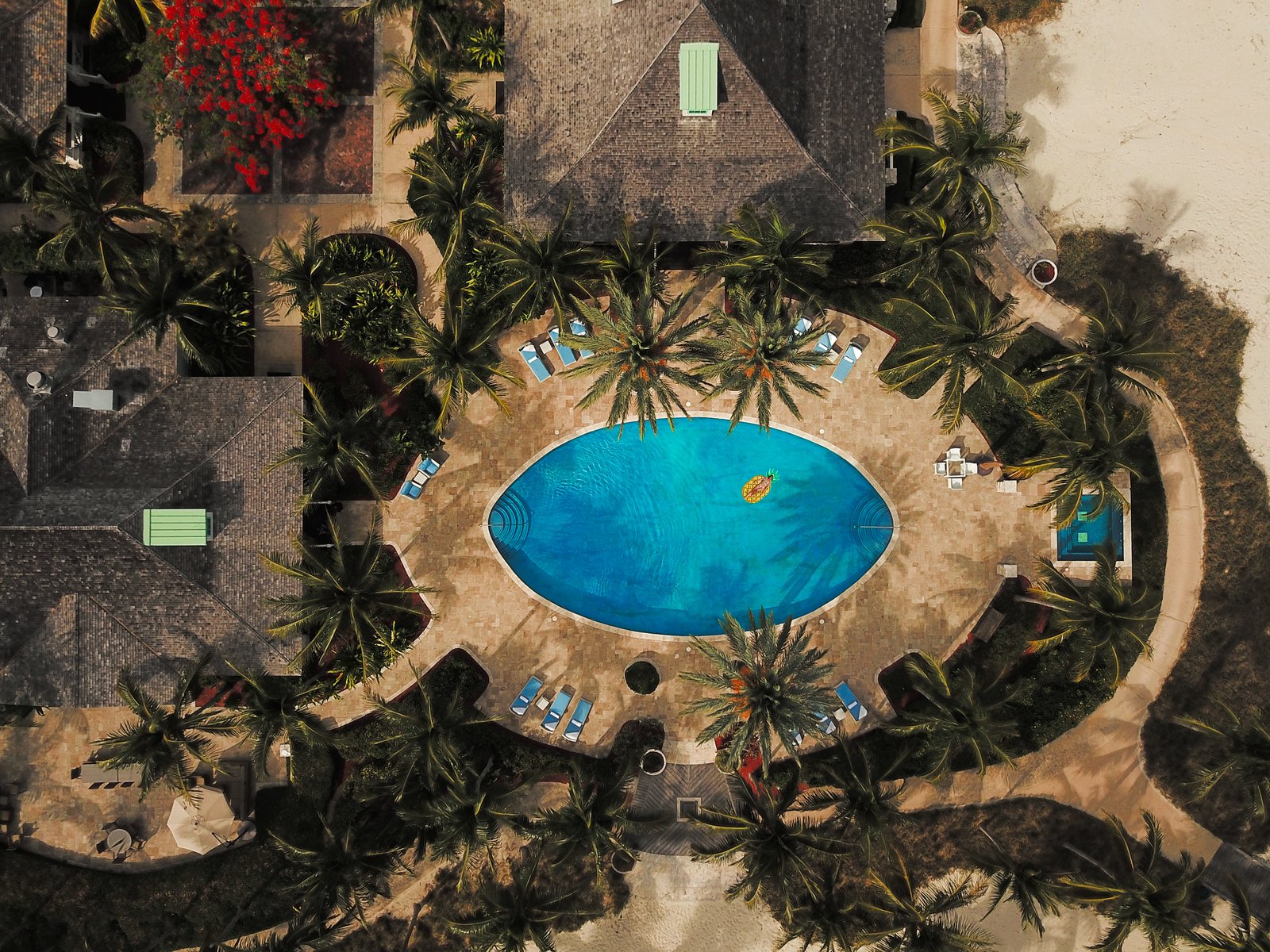
Aerial hotel photography helps hospitality brands showcase scale, amenities, and guest experience while supporting long-term marketing campaigns.
Day Rates: What They Are and When They Work
A day rate is exactly what it sounds like—a flat fee for a set number of shooting hours, typically a half-day or full-day.
Day rates often include:
Photographer’s time on location
Basic usage rights for marketing purposes
A limited number of final edited images
Day rates work best when:
The shot list is straightforward
Locations are centralized
Minimal styling or coordination is required
However, day rates don’t always capture the full scope of a hospitality shoot. Travel time, scouting, styling coordination, talent, post-production complexity, and licensing can quickly add layers that exceed a simple hourly framework.
Project-Based Pricing: A More Strategic Approach
Project pricing looks at the entire scope of work rather than the clock.
Project pricing typically accounts for:
Pre-production planning
Multiple locations or experiences
Styling, models, or lifestyle scenes
Usage needs across platforms (web, paid ads, print, PR)
Post-production depth and consistency
For hotels and resorts, this approach often provides greater clarity and predictability—especially when visuals will be used across multiple campaigns or seasons.
Why Hospitality Photography Is Priced Differently
Hotel photography is not just about documenting a space. It’s about selling an experience.
That means:
Shooting during ideal lighting windows
Capturing staff, guests, and lifestyle moments
Coordinating with operations teams
Delivering images that align with brand standards
These elements require experience, planning, and flexibility—factors that influence pricing but also elevate ROI.
Budgeting for Long-Term Value
Instead of asking, “What’s the cheapest option?” marketing teams benefit most by asking, “How long will these images work for us?”
High-quality hospitality photography:
Reduces the need for constant reshoots
Elevates brand consistency
Performs better in digital marketing and PR
When viewed through that lens, strategic photography becomes a cost-effective marketing asset—not an expense.
FAQs
How is hotel photography typically priced?
It can be priced by day rate, per image, or as a custom project based on scope and deliverables.
What is the difference between day rates and project pricing?
Day rates charge for time spent shooting, while project pricing includes planning, shooting, and deliverables as a package.
Which pricing model is better for hospitality brands?
Project pricing is often preferred because it aligns with marketing goals and final deliverables.
What factors influence hotel photography pricing?
Factors include shoot complexity, number of images, production needs, and usage rights.