

How to Prepare Your Hotel, Restaurant, or Resort for a Professional Photoshoot
Professional photography is one of the most powerful marketing tools available to hospitality brands. High-quality images help potential guests visualize their experience at your property before they ever arrive.
But great photography doesn’t happen by accident. The most successful hospitality photoshoots are carefully planned and prepared in advance.
If your hotel, resort, or restaurant is preparing for a professional photoshoot, here are several steps that will help ensure the day runs smoothly and produces images that elevate your brand.
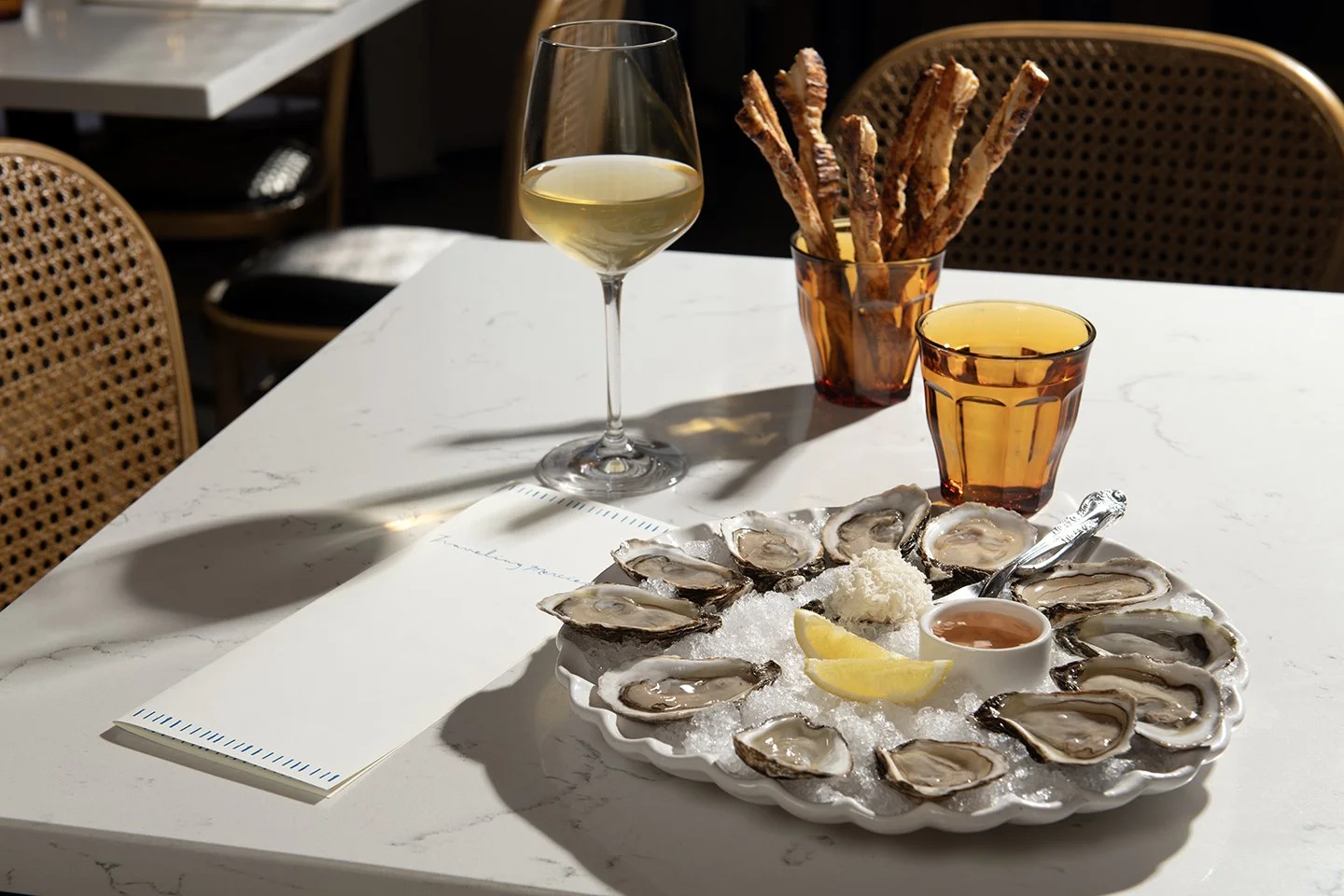
Great restaurant photography starts with thoughtful preparation—carefully styled dishes, clean surfaces, and lighting matching your messaging help hospitality photographers create images that make guests instantly crave the dining experience.
Start with Clear Marketing Goals
Before the photoshoot begins, your marketing team should define the primary purpose of the images.
Ask questions like:
Where will the photos be used?
What type of guests are we trying to attract?
What experiences should the photos highlight?
Common goals include website updates, advertising campaigns, social media marketing, and public relations materials. Clear goals help your photographer prioritize the most important shots.
Create a Detailed Shot List
A shot list helps ensure nothing important is missed during the photoshoot.
Typical hospitality shot lists include:
Guest rooms and suites
Lobby and common spaces
Outdoor areas and views
Restaurants and dining experiences
Spa or amenities
Lifestyle images of guests enjoying the property
Your photographer can help refine the list to ensure it aligns with your marketing strategy and communicate the best way to capture these needs visually.
Prepare and Stage the Property
The appearance of the property makes a huge difference in the final images.
Before the shoot:
Ensure rooms are spotless and fully staged
Remove clutter or distracting items
Check lighting fixtures and replace burned-out bulbs
Prepare fresh linens, flowers, or decor accents
Small details can dramatically improve the visual quality of hospitality photography.
Schedule the Shoot Strategically
Timing plays a major role in hospitality photography.
Photographers often schedule shoots based on:
Natural lighting conditions
Guest traffic levels
Restaurant service schedules
Sunset or sunrise opportunities
Working with your photographer to plan the schedule ensures the property looks its best while minimizing disruption to guests.
Coordinate Staff and Models
Lifestyle images are often the most compelling visuals for hospitality brands. They show guests interacting with the space and experiencing what makes the property special.
Depending on the shoot, you may need:
Staff members appearing in images
Professional models
Planning this in advance helps ensure those moments feel natural and authentic.
Communicate with Your Photographer
Successful hospitality shoots rely on strong collaboration between the photographer and the marketing team.
Share information such as:
Brand guidelines
Mood boards or visual references
Marketing campaign goals
Key features of the property
When everyone is aligned before the shoot begins, the final images are much more likely to reflect your brand vision.
Preparing your property for a professional photoshoot helps ensure the time and investment produce the strongest possible results.
With thoughtful planning, clear communication, and the right photographer, your hospitality photoshoot can generate a powerful library of images that support your marketing for years to come.
FAQs
How should I prepare my property for a photoshoot?
Ensure spaces are clean, styled, and ready, and coordinate with your team ahead of time.
What should be included in a photoshoot plan?
A shot list, timeline, and clear goals for how the images will be used.
Should staff be involved in the photoshoot?
Yes—staff can help with staging, coordination, and sometimes appear in lifestyle shots.
What is the biggest mistake to avoid before a photoshoot?
Lack of preparation, which can lead to missed shots and inefficient use of time.