

The Hidden Costs of Cutting Corners on Photography
In hospitality marketing, photography is often treated as a line item instead of a long-term asset. When timelines are tight or budgets are under pressure, it can be tempting to choose the fastest or least expensive option just to "get images on the site." On paper, that decision can feel practical. In reality, it often creates problems that surface months — or even years — later.
Cutting corners on photography rarely fails loudly. Instead, it quietly erodes brand trust, limits marketing effectiveness, and creates ongoing friction for internal teams.
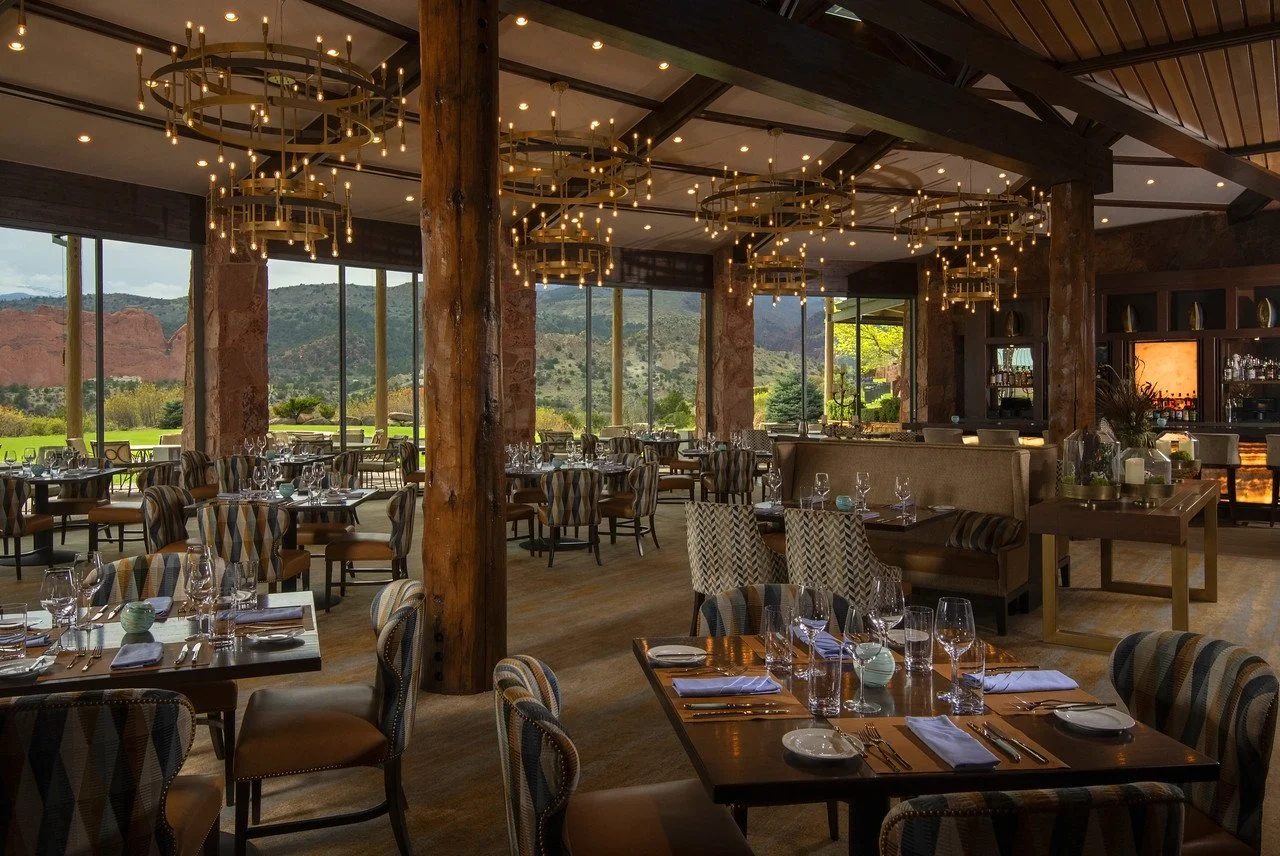
Luxury hospitality interior photography that reinforces brand perception, attention to detail, and the elevated experience guests expect from high-end properties.
Photography Is Often the First Proof of Value
Before a guest compares room types or reads reviews, photography shapes their expectations. It signals quality, professionalism, and attention to detail. When visuals feel rushed, inconsistent, or generic, guests subconsciously adjust their perception of value.
This matters because hospitality pricing is perception-driven. If photography doesn’t support the experience you’re offering, potential guests may question whether the cost is justified — regardless of how strong your actual service or amenities are.
Where the Real Costs Show Up Over Time
The true cost of weak photography usually isn’t immediate. It shows up in small but compounding ways:
Marketing campaigns that underperform
Lower engagement across digital channels
Increased bounce rates on key landing pages
Fewer media and partnership opportunities
When imagery fails to communicate credibility, marketing teams are left compensating elsewhere — often with more paid spend or additional creative work.
The Internal Impact on Marketing Teams
One of the most overlooked consequences of cutting corners is the strain it puts on internal teams. When photography doesn’t meet brand or campaign needs, marketing teams often:
• Spend extra time editing or cropping images to make them usable • Avoid using certain images altogether • Delay campaigns while sourcing alternatives • Struggle to maintain consistency across platforms
Instead of supporting efficiency, weak photography becomes an obstacle.
Budget Photography vs. Strategic Hospitality Photography
The difference between budget photography and strategic hospitality photography isn’t just visual quality — it’s intent.
Strategic photography is planned with usage in mind. It considers where images will live, how long they’ll be used, and how they support brand goals. This approach often supports seasonal campaigns, public relations efforts, and long-term brand consistency more effectively than one-off shoots.
For example, imagery created with seasonal campaign photography in mind can be repurposed across multiple touchpoints, increasing both longevity and return on investment.
Why ROI Depends on More Than Price
Photography ROI isn’t determined by how little you spend — it’s determined by how well the images perform. Strong photography supports:
Higher engagement
Clearer brand positioning
Increased trust
Stronger conversion performance
In contrast, lower-quality imagery may require frequent replacement, additional shoots, or increased marketing spend to offset underperformance.
Common Questions About Photography Investment
Can editing fix low-quality photography?
Editing can enhance strong images, but it can’t replace thoughtful composition, lighting, or storytelling captured during the shoot.
Is professional photography really worth the investment?
Yes. Professional hospitality photography supports brand perception, improves marketing performance, and reduces friction for internal teams.
How often should hospitality brands update photography?
Many brands update photography annually or alongside major seasonal campaigns, depending on how actively they market.
Cutting corners on photography may feel efficient in the moment, but it often creates long-term costs that outweigh the initial savings. In hospitality, visuals don’t just fill space — they influence trust, perception, and performance.
Photography that’s approached strategically doesn’t just support marketing efforts. It strengthens them.
FAQs
What are the risks of cutting corners on photography?
Low-quality photography can damage brand perception, reduce bookings, and require costly reshoots later.
How does poor photography impact revenue?
It can lower conversion rates and make your property less competitive compared to others with stronger visuals.
Is it more expensive to redo photography later?
Yes—redoing a shoot often costs more than investing in quality photography from the start.
What should hospitality brands prioritize when budgeting for photography?
Focus on quality, experience, and alignment with your brand rather than choosing the lowest price.