

Why Interior Photography Requires More Than a Good Camera
Great hotel and resort interiors don’t photograph themselves.
Even the most beautifully designed lobby, suite, spa, or restaurant can fall flat when photographed without the right lighting, tools, expertise, and strategic planning. This is why interior photography—especially in hospitality—requires far more than owning a “good camera.”
Professional interior photography is a technical and creative discipline. It demands a deep understanding of spatial perception, lighting control, brand storytelling, and the ability to highlight what guests value most when choosing a property.
Here’s why interior photography goes far beyond equipment—and why partnering with a hospitality specialist ensures your property is seen in the best possible light.
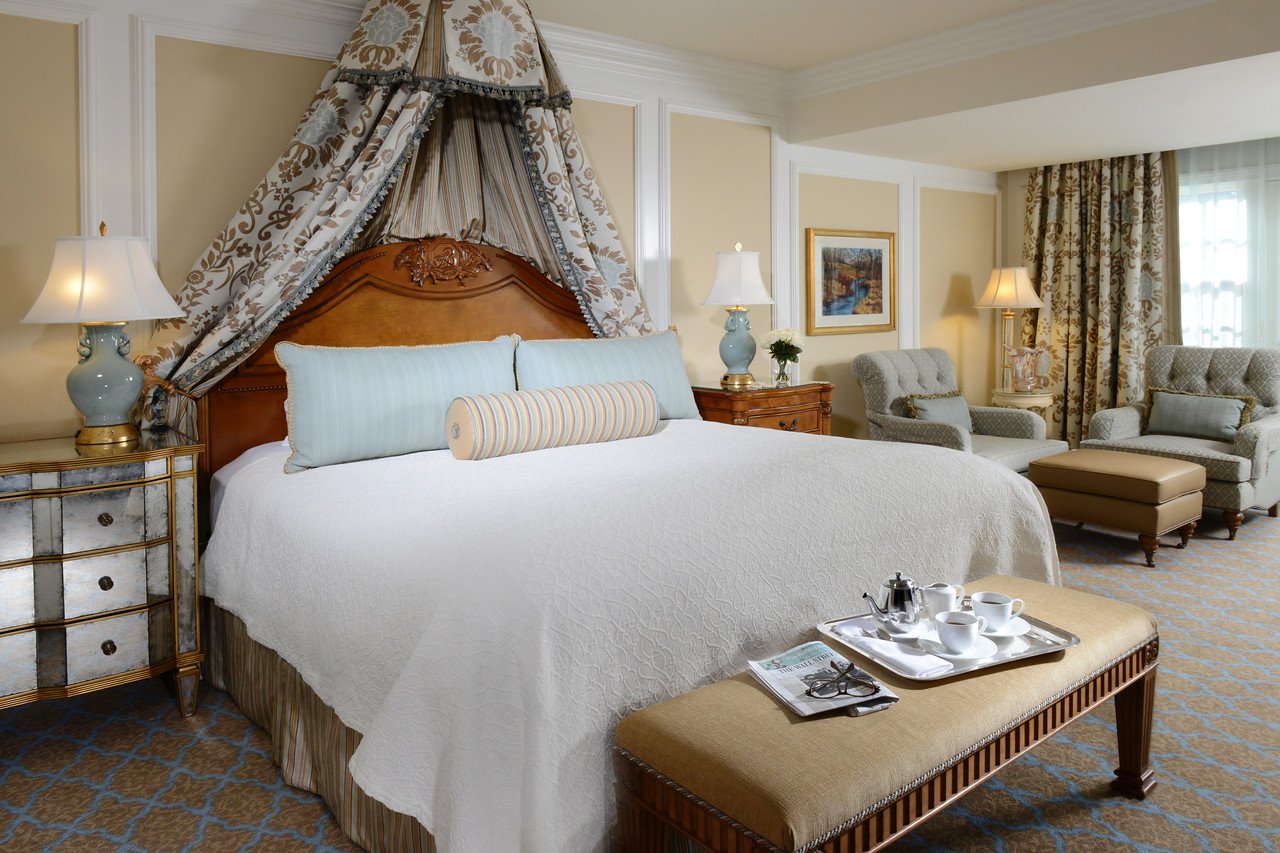
Interior hotel photography requires expert lighting, thoughtful composition, and strategic styling to accurately reflect the guest experience.
Interior Spaces Have Complex Lighting Challenges
Interior hotel spaces are notoriously difficult to photograph. They often include:
Large windows and outdoor light flooding in
Warm interior fixtures mixed with cool daylight
Mirrors and reflective surfaces
Deep shadows behind furniture
Architectural elements that distort perspective
A good camera alone cannot correct these challenges.
Professional hospitality photographers use advanced lighting techniques—such as strobes, off-camera flash, and multi-exposure blending—to ensure:
Balanced window views
Even, natural-looking illumination
Accurate color temperature
Avoidance of harsh shadows or blown-out highlights
This lighting control is essential to portraying the true beauty and atmosphere of your interiors. A hospitality specialist also understands how to debunk the “natural light is enough” myth and bring the right equipment to elevate your images.
A Good Interior Photo Requires Purposeful Composition
Guests want to understand how a space feels—its layout, flow, and functionality. Achieving that in a single frame requires thoughtful composition.
A resort interior photography expert knows how to:
Choose angles that expand a space rather than compress it
Showcase key features without overcrowding the frame
Avoid distortions caused by wide-angle lenses
Highlight architectural lines and symmetry
Guide the eye toward the most important parts of the room
Interior photography is as much about what you don’t include as what you do. Strategic composition helps communicate the room type, category, and branded experience clearly and accurately.
Styling and Staging Make or Break the Final Image
Rooms rarely photograph well “as-is.”
Even the most immaculate suite needs small, intentional adjustments to translate beautifully on camera. A skilled photographer doesn’t just shoot the room—they stage and refine it.
This may include:
Adjusting furniture placement
Perfectly aligning pillows and linens
Adding or removing décor
Ensuring brand elements appear consistently
Clearing visual clutter
Enhancing textures (fabrics, surfaces, florals)
Managing towel styling, spa elements, and bath amenities
Wrinkle removal of linens
Hospitality photography requires this level of precision. It ensures your interiors reflect the brand’s standards and the experience guests can expect.
Professional Photographers Build a Visual Story—Not Just a Gallery
Interior photos should never feel random. They should tell a cohesive visual story across:
Room types
Corridors
Common spaces
Restaurants and bars
Spa and wellness areas
Meeting and event rooms
Arrival experiences
A hospitality photographer understands your property holistically. They shoot intentionally so images work together across your website, OTAs, social platforms, brochures, PR placements, and seasonal campaigns.
This storytelling approach is one reason resorts and high-end brands rely on specialists, not general photographers.
Editing Requires Technical Skill and a Hospitality Mindset
Editing interiors is not like editing portraits or landscapes. It requires technical precision to maintain authenticity.
Professional editing includes:
Correcting verticals and horizontals
Matching color temperature throughout the set
Removing distractions (cords, exit signs, clutter)
Enhancing window detail without appearing artificial
Balancing shadows and highlights
Ensuring surfaces and textures look natural
Creating consistency across all rooms and amenities
Resort brands need unified imagery from space to space—and that consistency is achieved through expert-level post-production.
Interior Photos Influence Rate Perception and Booking Behavior
Guests often compare properties side by side—on websites, OTAs, and social feeds. Your interior photography directly impacts whether they view your resort as:
Upscale
Modern
Dated
Family-friendly
Luxury leisure-oriented
Worth the price
If the lighting looks dull, colors appear off, or spaces feel cramped, guests assume the experience will match.
Professional interior photography ensures your visuals match your rate category and elevate the value perception before a guest even sees the price.
Hospitality Experience Matters More Than Equipment
Two photographers can use the same camera—and produce dramatically different results.
This is because interior hospitality photography requires:
Understanding brand standards
Technical lighting expertise
Familiarity with resort operations
Ability to manage multi-location shoots
Experience shooting around guest activity
Knowledge of what drives guest decision-making
Sensitivity to design details and architectural intent
A specialist knows how to work at the intersection of creativity, logistics, and brand strategy—something a general photographer cannot replicate.
Your Interiors Deserve to Be Photographed With Intention
Your property has invested heavily in design, materials, furnishings, and guest comfort. The right photography ensures those investments are seen—and appreciated—long before guests arrive.
Interior photography requires technical mastery, thoughtful styling, brand awareness, and a strategic mindset that goes far beyond owning a good camera.
Ready for interior photography that truly reflects your property's quality? Contact Chad to schedule your next hospitality shoot.
FAQs
Why isn’t a good camera enough for interior photography?
Professional results require lighting, composition, and technical expertise beyond just having a high-quality camera.
What challenges come with interior photography?
Challenges include controlling lighting, balancing exposure, and capturing spaces accurately.
Why is lighting important in interior photography?
Lighting enhances depth, highlights details, and creates a more inviting atmosphere.
Who should handle interior photography for hotels?
A professional photographer with experience in architectural or hospitality photography.