

What Makes a Hospitality Photoshoot Successful? A Hotel & Resort Photography Guide
A successful hospitality photoshoot doesn’t happen by accident—it’s the result of thoughtful planning, clear creative direction, and strong collaboration.
Yet many hotel and resort photography projects fall short because they focus only on capturing images, rather than building a strategy behind them.
If you want photography that actually drives bookings, strengthens your brand, and supports your marketing efforts, it’s essential to understand what goes into a successful shoot.
This guide walks you through the key elements that make a hospitality photoshoot truly effective.
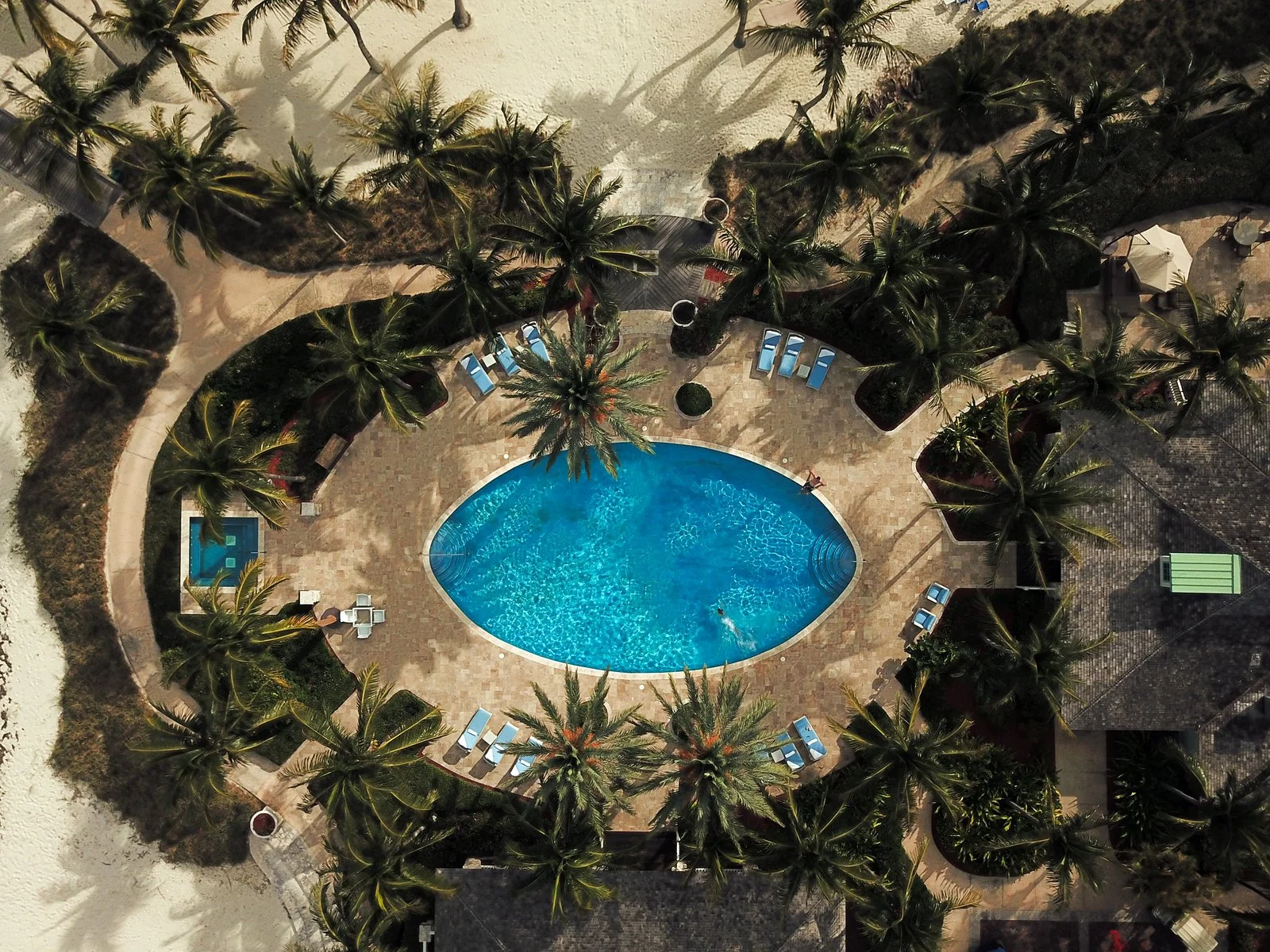
Strategic planning and strong visual storytelling—like this aerial resort shot—are key elements of a successful hospitality photoshoot.
Clear Goals and Strategy
Every successful shoot starts with one question:
What are these images being used for?
Your goals might include:
Increasing bookings
Supporting a rebrand
Launching a new campaign
Refreshing outdated visuals
When your objectives are clear, your photographer can create images that align with your marketing strategy—not just look beautiful.
Strong Creative Direction
Creative direction is what separates average photography from standout imagery.
This includes:
Mood and tone (luxury, relaxed, vibrant, etc.)
Target audience
Styling and wardrobe
Shot list and key moments
Without clear direction, your shoot can feel scattered. With it, every image contributes to a cohesive brand story.
Scouting and Location Preparation
Preparation is everything—especially in hospitality environments.
Before the shoot:
Identify the best angles and lighting conditions
Declutter and stage spaces
Ensure all areas are photo-ready
Plan timing around natural light
For resorts and hotels, this often means coordinating multiple locations, from guest rooms to outdoor amenities.
Incorporating Lifestyle Photography
Today’s hospitality marketing is driven by experience—not just space.
That’s why lifestyle photography is essential.
Instead of only photographing empty rooms, successful shoots include:
Guests enjoying amenities
Couples relaxing or dining
Real interactions that feel natural
These images create emotion and help potential guests imagine themselves in the environment.
Timing and Lighting
Lighting can make or break a photoshoot.
Successful shoots carefully plan for:
Golden hour for outdoor spaces
Soft, natural light for interiors
Consistent lighting across images
Rushed or poorly timed shoots often result in flat or inconsistent visuals.
Capturing a Variety of Shots
A strong hospitality image library includes more than just wide shots.
You’ll want a mix of:
Wide establishing shots
Medium compositions
Detail shots (textures, finishes, food)
Aerial or drone imagery when possible
This variety gives your marketing team flexibility across platforms.
Collaboration and Communication
The best shoots are collaborative.
A successful hospitality photoshoot typically involves:
Marketing teams
Creative directors
Photographers
Stylists and talent
Clear communication ensures everyone is aligned—and that nothing important gets missed.
Post-Production and Delivery
The shoot doesn’t end when the camera stops.
Professional editing ensures:
Consistent color and tone
Clean, polished final images
Alignment with your brand aesthetic
A well-organized delivery (with web-ready and high-res files) also makes it easier for your team to use the images effectively.
A successful hospitality photoshoot is about more than capturing beautiful spaces—it’s about telling a story that resonates with your audience.
With clear goals, thoughtful planning, and strong execution, your photography becomes a powerful marketing asset that supports your brand across every channel.
Because in hospitality, the right image doesn’t just look good—it inspires action.
Planning a hospitality photoshoot?
Let’s create imagery that’s not only visually stunning—but strategically designed to elevate your brand and drive bookings.
FAQs
How long does a hospitality photoshoot take?
Depending on the size of the property, shoots can range from one day to several days to capture all necessary spaces and experiences.
Do hotels need to hire models for photoshoots?
Often, yes. Lifestyle imagery with professional talent helps create a more polished and aspirational look. Utilizing hotel staff also increases the possibility of guests running into those same people on property, thus decreasing brand trust. What should be prepared before a shoot?
Spaces should be clean and staged, staff should be informed, and a detailed shot list should be finalized.Is drone photography important for resorts?
Absolutely. Aerial imagery provides a unique perspective and is especially valuable for showcasing large properties and outdoor amenities.