

How to Use Hospitality Photography Across Websites, Ads, PR, and Social Media
In hospitality, your visuals are often the first impression—and in many cases, the deciding factor—when a potential guest is choosing where to stay, dine, or book an experience.
But here’s the problem: many hospitality brands invest in photography without fully maximizing how those images are used across their marketing channels.
High-quality hospitality photography isn’t just about having beautiful images—it’s about using those images strategically across your website, advertising, public relations, and social media to drive bookings, build trust, and elevate your brand perception.
In this guide, we’ll break down exactly how to use your photography across every major marketing channel.
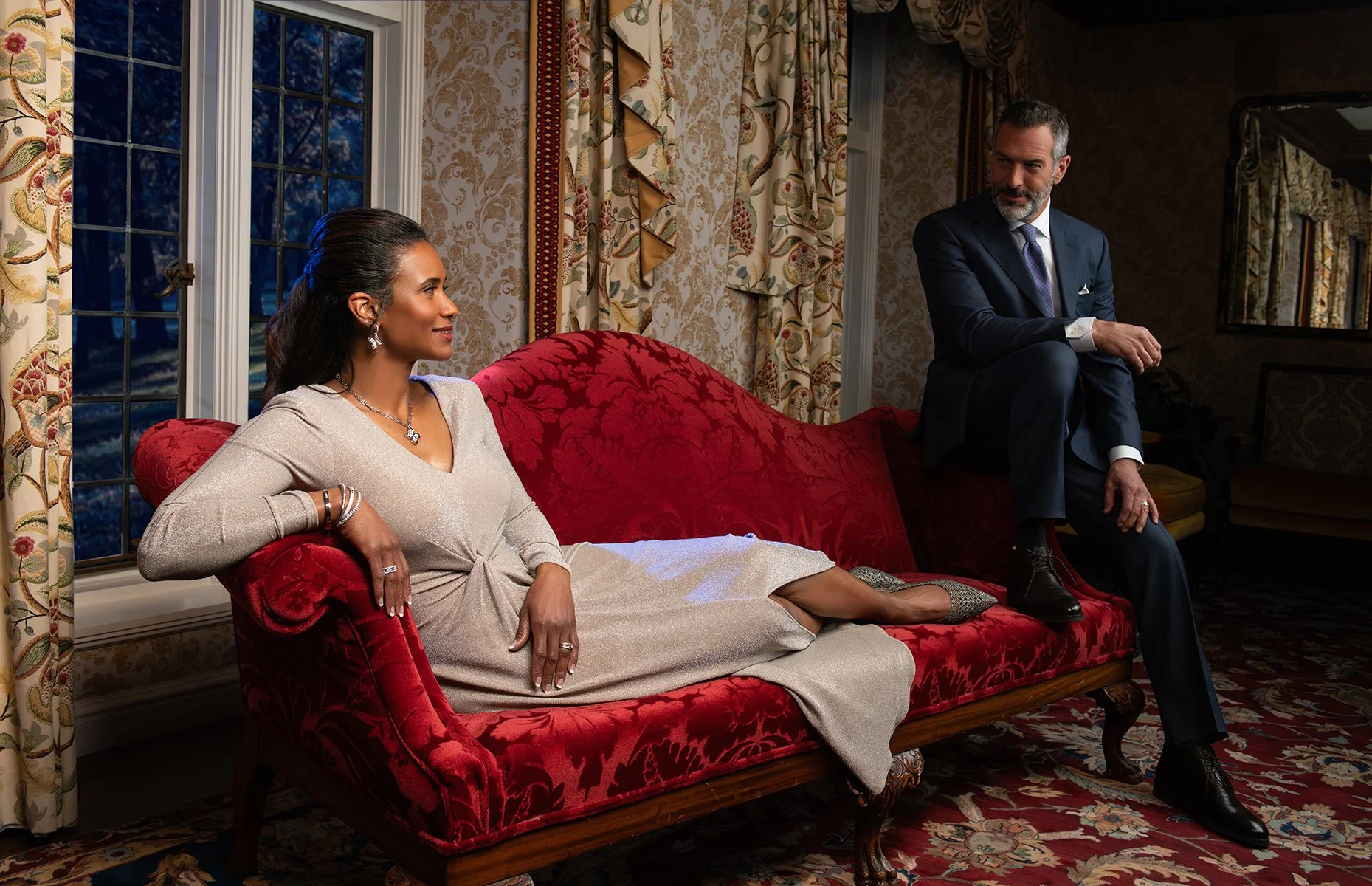
Lifestyle-driven hotel photography helps hospitality brands create aspirational visuals for websites, ads, and social media campaigns.
Using Hospitality Photography on Your Website
Your website is your most important marketing asset—and your photography should do the heavy lifting.
Strong hotel and resort photography should:
Immediately communicate your brand’s style and experience
Build emotional connection with potential guests
Guide users toward booking
Best practices:
Use a striking hero image above the fold
Incorporate lifestyle images (not just empty spaces)
Show a mix of rooms, amenities, dining, and guest experiences
Keep imagery consistent in tone and editing style
Think of your website as your digital front desk—your photography should make guests feel like they’ve already arrived.
Using Photography in Advertising (Digital & Print)
When it comes to ads, attention is everything—and compelling visuals are what stop the scroll.
Whether you’re running:
Google Display Ads
Social media ads
Print campaigns
Your photography should:
Be bold and visually clean
Highlight a clear experience (not just a space)
Align with the specific audience you’re targeting
Example:
A luxury couple lounging in an elegant suite tells a completely different story than an empty room—and it performs better because it creates aspiration.
The key is storytelling. Your audience isn’t just booking a room—they’re booking a feeling.
Using Hospitality Photography for PR and Media
Public relations is one of the most overlooked opportunities for strong photography.
Editors, bloggers, and media outlets need high-quality visuals—and if you don’t provide them, they’ll either skip your story or use something that doesn’t represent your brand well.
Your PR image library should include:
Wide establishing shots
Lifestyle imagery with people
Unique brand moments or signature experiences
Seasonal or campaign-specific visuals
Having a polished, ready-to-send media gallery makes it easier to get featured—and ensures your brand is presented at its best.
Using Photography on Social Media
Social media is where your photography lives daily—and consistency is key.
Hospitality brands that perform well on social platforms:
Maintain a cohesive visual style
Mix lifestyle, detail, and wide shots
Show real experiences, not just staged perfection
Content ideas:
Behind-the-scenes moments
Guest experiences
Food and beverage highlights
Seasonal updates
Your goal isn’t just to post—it’s to build a recognizable visual identity that people associate with your brand.
Creating a Cohesive Visual Strategy
The most successful hospitality brands don’t treat photography as a one-time project—they treat it as a core part of their marketing strategy.
To maximize your investment:
Plan shoots with multiple uses in mind
Capture vertical and horizontal formats
Shoot for different campaigns at once
Think about longevity and seasonal relevance
When your visuals are aligned across every platform, your brand feels more polished, trustworthy, and desirable.
Hospitality photography is one of the most powerful tools you have—but only if you use it intentionally.
From your website to your ads, your PR efforts to your social media presence, your images should work together to tell a consistent, compelling story.
Because at the end of the day, great photography doesn’t just show your property—it sells the experience.
Looking to elevate your brand with strategic hospitality photography?
Let’s create a visual library that works across every platform—and drives real results.
FAQs
How many images does a hotel need for marketing?
Most hospitality brands benefit from a library of 50–150 professionally shot images that cover rooms, amenities, dining, and lifestyle experiences.Should hospitality photography include people?
Yes. Lifestyle images with people help potential guests visualize themselves in the experience and often perform better than empty spaces.
How often should photography be updated?
Typically every 2–3 years, or sooner if you’ve renovated, rebranded, or changed your guest experience.
What types of photos work best for social media?
Lifestyle images, behind-the-scenes content, and visually striking compositions tend to perform best on platforms like Instagram and Facebook.