

How Restaurants and Hotels Can Use Visual Storytelling Photography to Increase Engagement
Today's consumers are overwhelmed with marketing messages. Simply showing a room, a meal, or a building is often not enough to capture attention.
The hospitality brands that stand out are the ones that tell a story.
Visual storytelling photography helps hotels and restaurants create emotional connections with potential guests by showcasing experiences rather than simply documenting products. Instead of telling people what makes your property special, storytelling photography allows them to feel it.
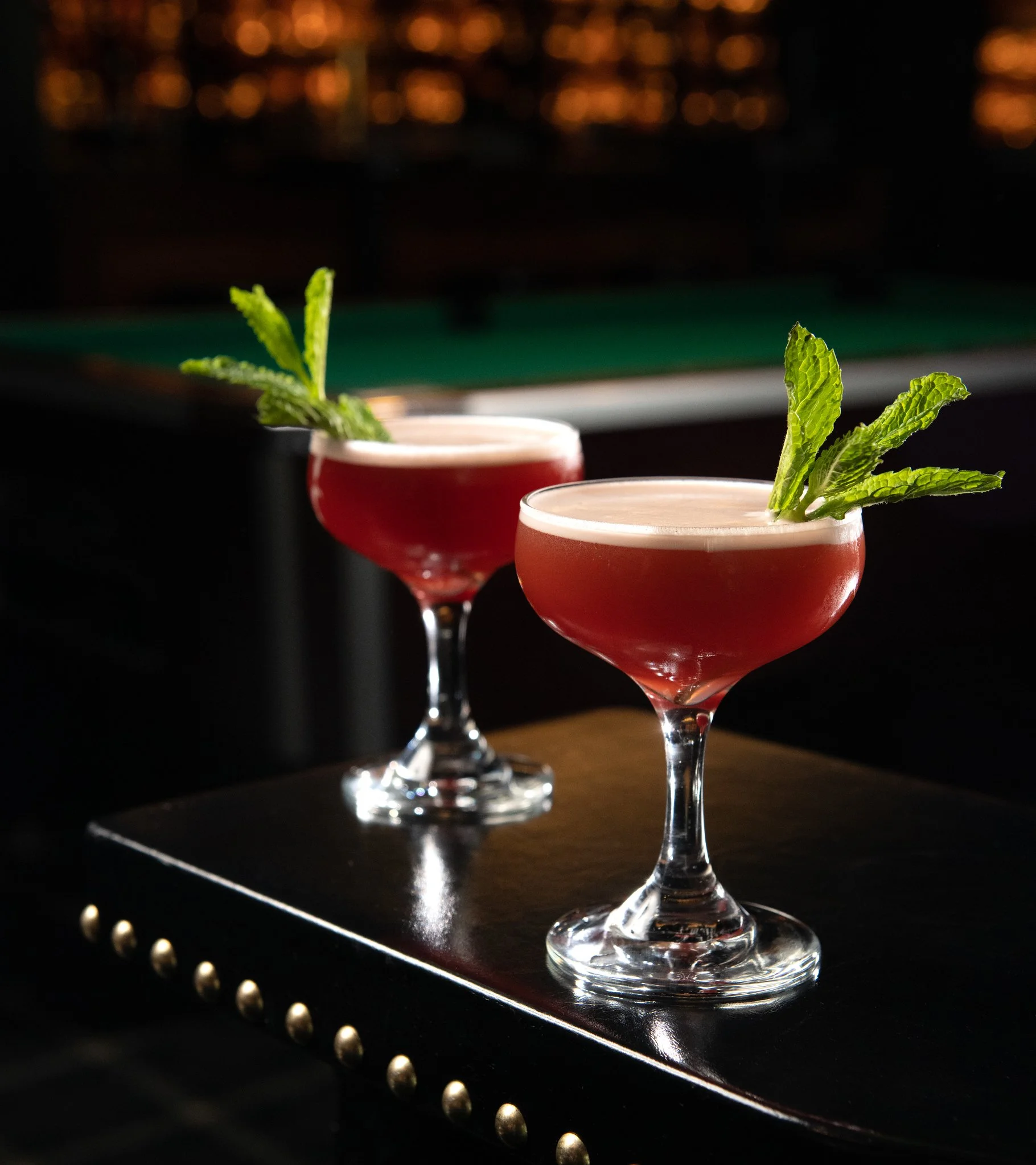
Story-driven hospitality photography captures more than products—it communicates atmosphere, experience, and brand personality, helping hotels and restaurants increase engagement across marketing channels.
What Is Visual Storytelling Photography?
Visual storytelling photography is the practice of using images to communicate a narrative, emotion, or experience.
Rather than focusing solely on physical spaces or products, storytelling images capture moments that help viewers imagine themselves as part of the experience.
Examples include:
Guests enjoying cocktails at sunset
Friends sharing a meal together
Couples exploring resort amenities
A chef preparing a signature dish
Staff creating memorable guest experiences
Travelers relaxing in a beautifully designed space
These images help audiences connect emotionally with your brand.
Why Emotional Connection Drives Engagement
People make decisions based on emotion and then justify those decisions with logic.
When potential guests see imagery that evokes excitement, relaxation, connection, celebration, or adventure, they begin imagining themselves in those moments.
This emotional connection often leads to:
Higher social media engagement
More website interaction
Longer page visits
Increased brand recall
Greater booking confidence
Storytelling photography transforms marketing from informational to inspirational.
Move Beyond Empty Spaces
Many hospitality brands rely heavily on architectural photography alone.
While beautiful spaces are important, empty rooms don't always communicate the full guest experience.
Visual storytelling brings properties to life by adding:
Human interaction
Genuine emotion
Lifestyle moments
Guest activities
Hospitality service experiences
Potential guests want to know how it feels to stay, dine, or celebrate at your property—not just what it looks like.
Use Storytelling Across Multiple Marketing Channels
One of the biggest advantages of storytelling photography is its versatility.
These images perform exceptionally well across:
Website Content
Story-driven imagery can help visitors immediately understand the atmosphere and personality of your property.
Social Media
Authentic lifestyle imagery often generates stronger engagement than static property photos because it feels more relatable and shareable.
Digital Advertising
Storytelling visuals can help advertisements feel less promotional and more experiential.
Public Relations
Editors and media outlets are more likely to feature imagery that captures compelling moments and authentic guest experiences.
Email Marketing
Story-driven photography helps transform promotional emails into engaging visual experiences.
Storytelling Helps Differentiate Your Brand
Many hotels and restaurants offer similar amenities, services, and experiences.
Photography can become one of the strongest ways to differentiate your brand.
When your imagery consistently reflects your unique atmosphere, guest experience, and personality, potential customers begin to recognize what makes your property special.
This brand differentiation becomes increasingly valuable in competitive hospitality markets.
Planning a Successful Storytelling Photoshoot
Great storytelling photography doesn't happen by accident.
Successful hospitality photoshoots often include:
Defined marketing goals
Clear brand messaging
Realistic guest scenarios
Thoughtful model selection
Detailed shot lists
Collaboration between marketing teams and photographers
The more intentional the planning process, the stronger the final visual story becomes.
Authenticity Matters
Today's consumers are highly skilled at recognizing staged or overly polished content.
The most effective hospitality storytelling photography feels natural, genuine, and believable.
Authentic interactions, real emotions, and realistic guest experiences create images that resonate more deeply with viewers and build trust with potential customers.
Ready to Tell a Stronger Story?
If your hotel, resort, restaurant, or hospitality brand wants to create deeper audience connections and increase engagement, visual storytelling photography can be one of your most effective marketing tools.
Contact Chad Chisholm Creative to create imagery that showcases not just what your property looks like—but what it feels like to experience it.
FAQs
What is visual storytelling photography?
Visual storytelling photography uses images to communicate experiences, emotions, and narratives that help audiences connect with a brand on a deeper level.
Why is storytelling photography effective for hospitality marketing?
Storytelling photography helps potential guests imagine themselves enjoying the experience, creating emotional connections that often lead to higher engagement and stronger booking confidence.
Can storytelling photography be used for restaurants?
Yes. Restaurants frequently use storytelling photography to showcase dining experiences, chef interactions, signature cocktails, guest celebrations, and the atmosphere of the venue.
What types of hospitality businesses benefit from storytelling photography?
Hotels, resorts, restaurants, bars, event venues, destination properties, and tourism organizations can all benefit from visual storytelling imagery.
How does storytelling photography differ from traditional hospitality photography?
Traditional photography often focuses on spaces and products, while storytelling photography emphasizes experiences, emotions, and human connection to create a more engaging narrative.