

What to Expect When Hiring a Hospitality Photographer (Timeline, Process, and Pricing)
Whether you're opening a boutique hotel, refreshing your restaurant's website, or updating marketing assets for a luxury resort, professional photography is one of the most valuable investments you can make in your brand.
Yet for many hospitality teams, hiring a photographer can feel like a mystery. How long does the process take? What should you expect before the shoot? How is pricing determined? And how can you ensure you receive images that continue delivering value long after the session is over?
Understanding the process ahead of time makes the experience smoother, more efficient, and ultimately more successful. Here's what hotel and restaurant marketing teams can expect when working with a professional hospitality photographer.
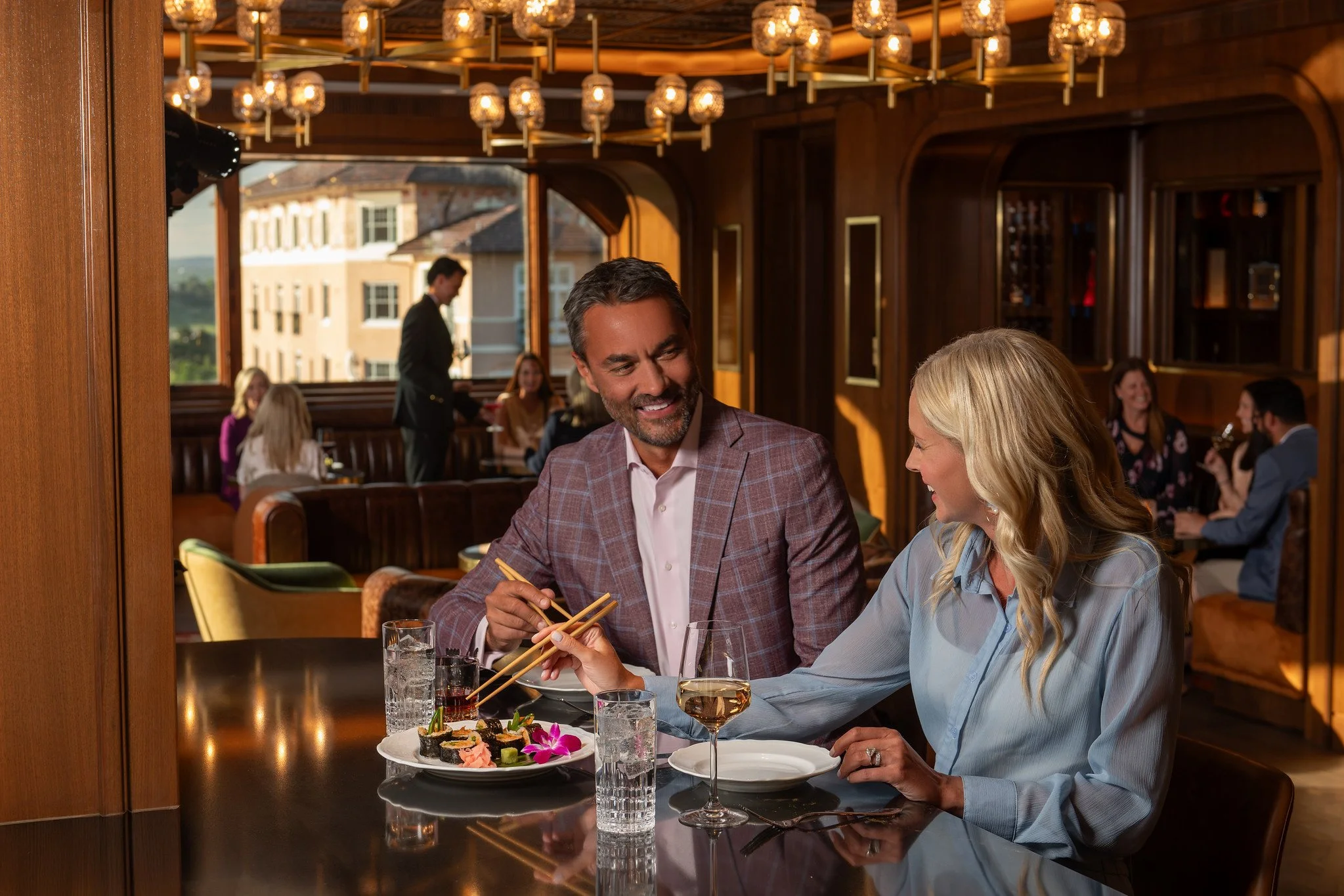
Professional hospitality photography captures authentic guest experiences that help hotels and restaurants connect with future visitors.
Why Hospitality Photography Requires More Than Taking Beautiful Pictures
Hospitality photography isn't simply documenting a property. It's creating imagery that inspires future guests to imagine themselves experiencing your space.
Every photograph should support your marketing goals, whether that's:
Increasing direct bookings
Attracting wedding or event clients
Elevating your restaurant's reputation
Building stronger social media engagement
Supporting advertising and PR campaigns
Strengthening your overall brand identity
That requires thoughtful planning, collaboration, and an understanding of hospitality marketing—not simply technical camera skills.
Step 1: Discovery and Planning
Every successful hospitality photoshoot begins well before cameras come out.
The planning phase is where your photographer learns about your property, audience, and marketing objectives. This typically includes conversations around:
Your brand personality
Target guest demographics
Upcoming marketing campaigns
Website updates
Seasonal promotions
Areas of the property that deserve special attention
Existing photography gaps
If you're photographing an entire hotel or resort, your photographer may also request:
Property maps
Floor plans
Room categories
Restaurant operating hours
Sunrise and sunset timing (light tests are a great tool here)
Occupancy expectations
Event schedules
This preparation ensures valuable shooting time is spent creating images—not figuring out logistics.
Step 2: Developing the Shot List
One of the biggest differences between experienced hospitality photographers and general commercial photographers is strategic shot planning.
Rather than simply walking through the property taking photos, your photographer builds a shot list designed around your marketing needs.
That often includes:
Guest Rooms
Hero room images
Lifestyle moments
Detail photography
Workspace features
Luxury amenities
View photography
Restaurants & Bars
Signature dishes
Cocktails
Chef interactions
Dining atmosphere
Guest experiences
Bar service
Amenities
Pools
Fitness centers
Spas
Meeting spaces
Event venues
Outdoor recreation
Lifestyle Photography
Hospitality marketing performs best when people are included naturally.
Lifestyle imagery helps future guests picture themselves enjoying the experience.
Examples include:
Couples enjoying dinner
Families relaxing together
Friends sharing cocktails
Guests checking in
Business travelers working comfortably
Concierge interactions
These images create emotional connection that empty-room photography alone cannot.
Step 3: Scheduling the Photoshoot
Unlike many commercial photography projects, hospitality photography often depends heavily on lighting and guest experience.
The best photographers carefully build shooting schedules around:
Sunrise
Golden hour
Restaurant service
Room availability/not disrupting guest experience
Weather
Occupancy levels
Staff schedules
Exterior images often happen early in the morning or during sunset. Keep this in mind for schedules; if starting early, the wrap will be early unless purchasing overtime.
Restaurants may photograph food before opening or between service periods.
Lifestyle sessions are usually timed to create a natural energy without interfering with guests.
The larger the property, the more days may be required.
Step 4: Preparing the Property
Preparation makes an enormous difference in the final images.
Before photography begins, your marketing team and operations staff should work together to ensure the property looks its absolute best.
Preparation may include:
Deep cleaning
Window cleaning
Fresh flowers
Replacing worn linens
Touch-up painting
Landscaping
Pool preparation
Removing unnecessary signage
Organizing furniture
Stocking bars and restaurants
Small details often become surprisingly noticeable in high-resolution professional photography.
Step 5: The Photoshoot
On shoot day, your photographer becomes part director, part stylist, and part storyteller.
Rather than simply documenting spaces, they'll continually refine each scene by adjusting:
Furniture placement
Lighting
Decorative details
Food presentation
Guest positioning
Staff interactions
Sometimes an image that appears effortless actually takes considerable collaboration behind the scenes.
The goal isn't perfection.
It's authenticity.
Guests should see themselves enjoying the experience—not feel like they're looking at a staged advertisement.
Step 6: Professional Editing and Image Delivery
The work continues after the cameras are packed away.
Professional editing includes:
Color correction
Exposure balancing
Window replacements when needed
Removing distractions
Perspective correction
Minor retouching
Image optimization for web and print
The editing process ensures every delivered image reflects the property's quality and your brand standards.
Delivery timelines vary, but many hospitality photographers provide final galleries within two to four weeks depending on project scope.
Understanding Hospitality Photography Pricing
One of the most common questions hotels ask is:
"How much does hospitality photography cost?"
The answer depends on several factors.
Pricing often reflects:
Size of the Property
A boutique inn requires significantly less production than a 400-room luxury resort.
Scope of Coverage
Photographing guestrooms alone differs greatly from documenting restaurants, amenities, meeting spaces, golf courses, spas, and lifestyle imagery.
Number of Shoot Days
Larger productions require additional days for optimal lighting and complete coverage.
Models and Talent
Lifestyle photography frequently includes professional models, hair and makeup artists, wardrobe coordination, and production assistants.
Licensing and Usage
Commercial photography is created for business marketing, meaning licensing rights are part of the overall investment.
Your photographer should clearly explain how images may be used across websites, advertising, social media, print materials, and public relations.
Why Professional Photography Is a Long-Term Investment
The best hospitality photography isn't created for one campaign.
It's built to support your marketing across multiple platforms for years.
One successful photoshoot can provide imagery for:
Website redesigns
Booking platforms
Social media
Email marketing
Print advertising
Digital advertising
Sales presentations
Public relations
Recruitment materials
Conference marketing
Viewed this way, professional photography becomes one of the highest ROI marketing investments many hotels and restaurants make.
Choosing the Right Hospitality Photographer
When comparing photographers, don't focus exclusively on price.
Instead, ask questions like:
Have they photographed hospitality brands before?
Do they understand hotel marketing?
Can they create both architectural and lifestyle imagery?
Do they help plan the shoot?
Will they guide styling and guest interactions?
Does their portfolio reflect the type of guests you want to attract?
Experience within the hospitality industry often translates directly into stronger marketing assets and a more efficient production process.
Hiring a hospitality photographer should feel like adding a creative partner to your marketing team—not simply hiring someone to take pictures.
When the planning is thoughtful, the production is organized, and the photography reflects your guest experience, the resulting images become powerful tools that help elevate your brand for years to come.
Investing in professional hospitality photography isn't simply about showcasing beautiful spaces. It's about creating visual stories that inspire travelers to choose your property over every other option.
Frequently Asked Questions
How far in advance should I book a hospitality photographer?
Ideally, book your photographer at least four to eight weeks before your desired shoot date. Larger resorts or multi-day productions may require even more advance planning.
How long does a typical hotel photoshoot take?
Smaller boutique properties may only require one day, while larger hotels or resorts often require multiple days to capture guestrooms, amenities, restaurants, and lifestyle photography.
Should we use real guests or professional models?
It depends on your goals. Professional models provide consistency and greater creative control, while real guests can sometimes create authentic moments. Many luxury hospitality brands choose professional lifestyle talent.
How often should hotels update their photography?
Most hotels benefit from refreshing photography every three to five years, or sooner following renovations, rebranding, new amenities, or significant marketing updates.
Ready to Elevate Your Hospitality Brand?
Great hospitality photography begins with understanding your property's unique story. Whether you're launching a new hotel, refreshing restaurant imagery, or updating your resort's marketing assets, professional photography helps create the emotional connection that turns viewers into guests.
Let's create imagery that reflects your brand, showcases your guest experience, and supports your marketing goals for years to come.